
Category 3 Water Damage Experts
Sewage Backup Cleanup & Sanitization
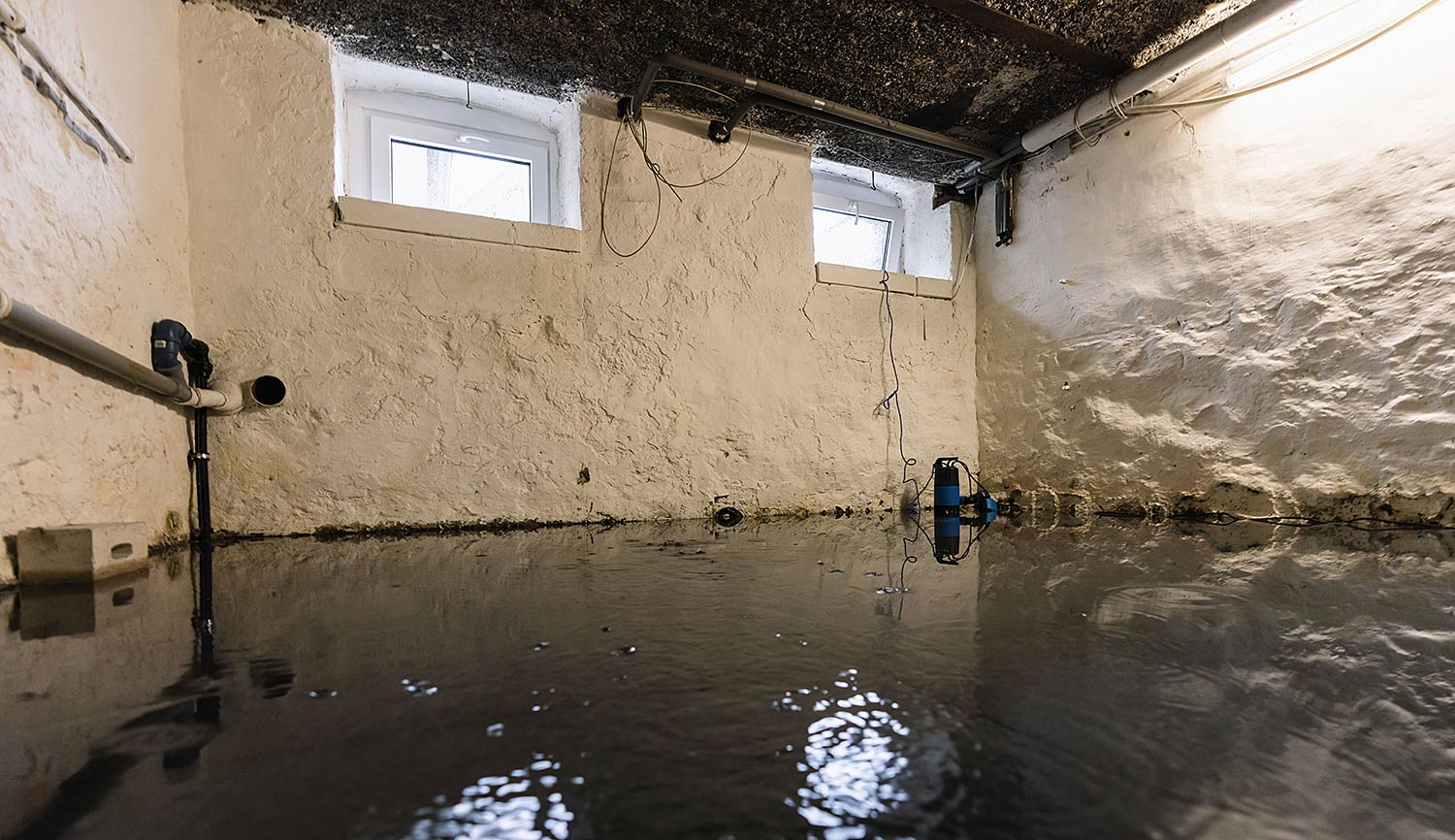
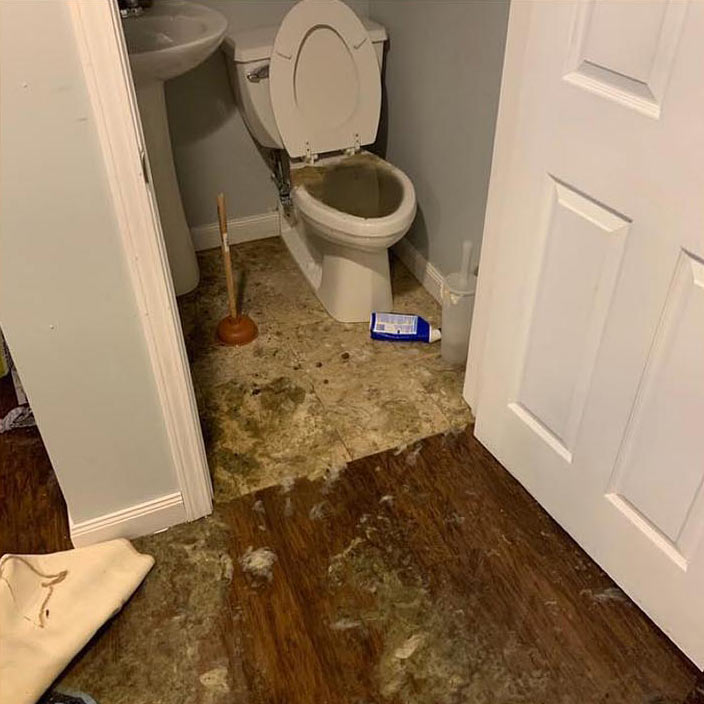
A sewage backup is more than a mess. It is a health hazard. Raw sewage carries bacteria, viruses and parasites that soak into floors, drywall and furniture within hours.
BlueLine Disaster Solutions safely removes the contaminated water, cleans and disinfects every affected surface, and dries your home or business back to a sanitary condition.
Our IICRC-certified technicians follow the ANSI/IICRC S500 Standard for Professional Water Damage Restoration, which classifies sewage as Category 3 water, the most hazardous type of water loss. That standard guides every decision we make, from protective equipment to which materials can be saved.
Why Choose BlueLine Disaster Solutions?

Rapid Response
Calls are answered 24/7 by our local team, and we dispatch quickly to stop the damage.

Certified & Thorough
Our technicians are trained in Category 3 cleanup and work in full protective equipment.

Transparent
You will always know what work is being done, and we document everything for your insurance claim.

Common Causes of Sewage Backups
We clean up backups caused by:
- Clogged or Collapsed Sewer Lines
- Tree Root Intrusion
- Overloaded City Sewers After Heavy Rain
- Sump & Ejector Pump Failures
- Toilet & Floor Drain Overflows
- Septic System Failures

Why Sewage Is Treated as Category 3 Water
The IICRC S500 standard groups water damage into three categories based on how contaminated the water is:
- Category 1 – Clean water from a source like a broken supply line.
- Category 2 – “Gray water” with significant contamination, such as washing machine or dishwasher discharge.
- Category 3 – Grossly contaminated water, including sewage, toilet backflow and rising floodwater.
Category 3 water can contain E. coli, hepatitis A and other harmful pathogens. That is why the standard calls for removing most contaminated porous materials and thoroughly cleaning and disinfecting everything that stays.
Signs of a Sewer Line Problem
- Several drains backing up at the same time
- Gurgling toilets or slow-draining sinks and tubs
- A sewage odor in the basement
- Water coming up through a floor drain
If more than one fixture is affected, the blockage is most likely in your main sewer line.
Our Sewage Cleanup Process
- Safety & Assessment: We identify the source, check for electrical and structural hazards, and document the damage for your insurance.
- Containment: Plastic barriers and HEPA air filtration keep contaminants from spreading to clean areas.
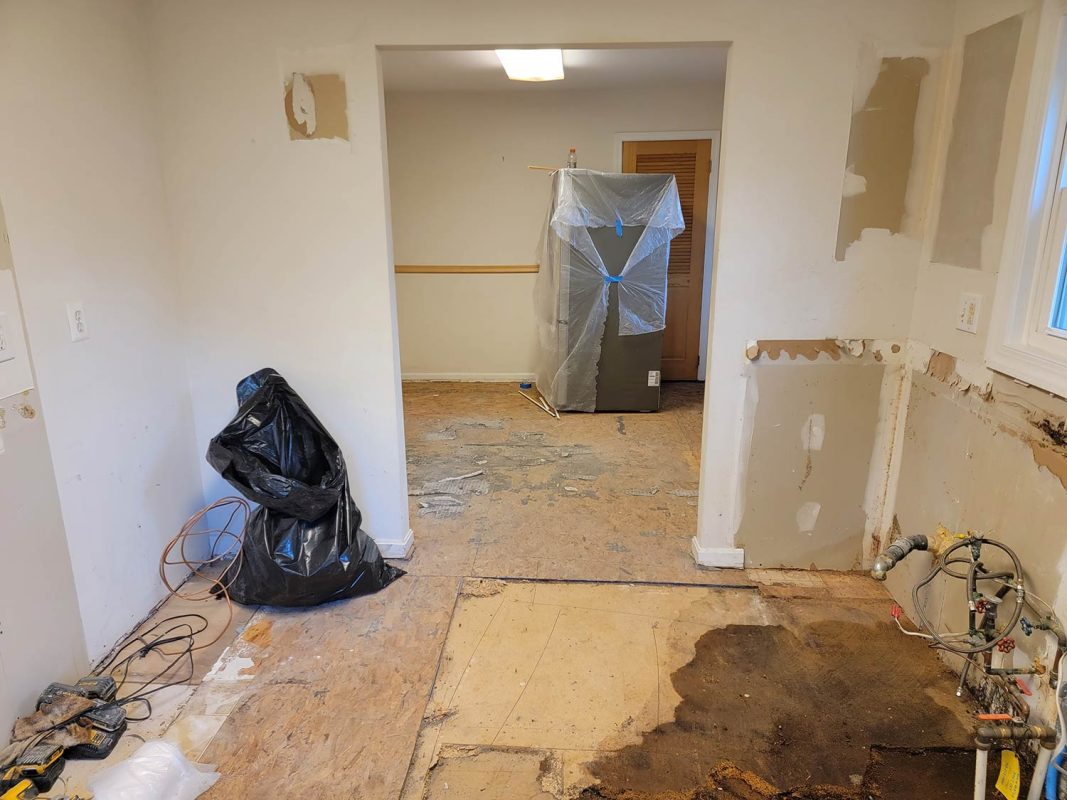
- Extraction & Removal: We pump out sewage and remove contaminated porous materials such as carpet, pad, insulation and the lower portion of drywall.
- Cleaning & Disinfection: Every salvageable surface is cleaned and treated with EPA-registered disinfectants.
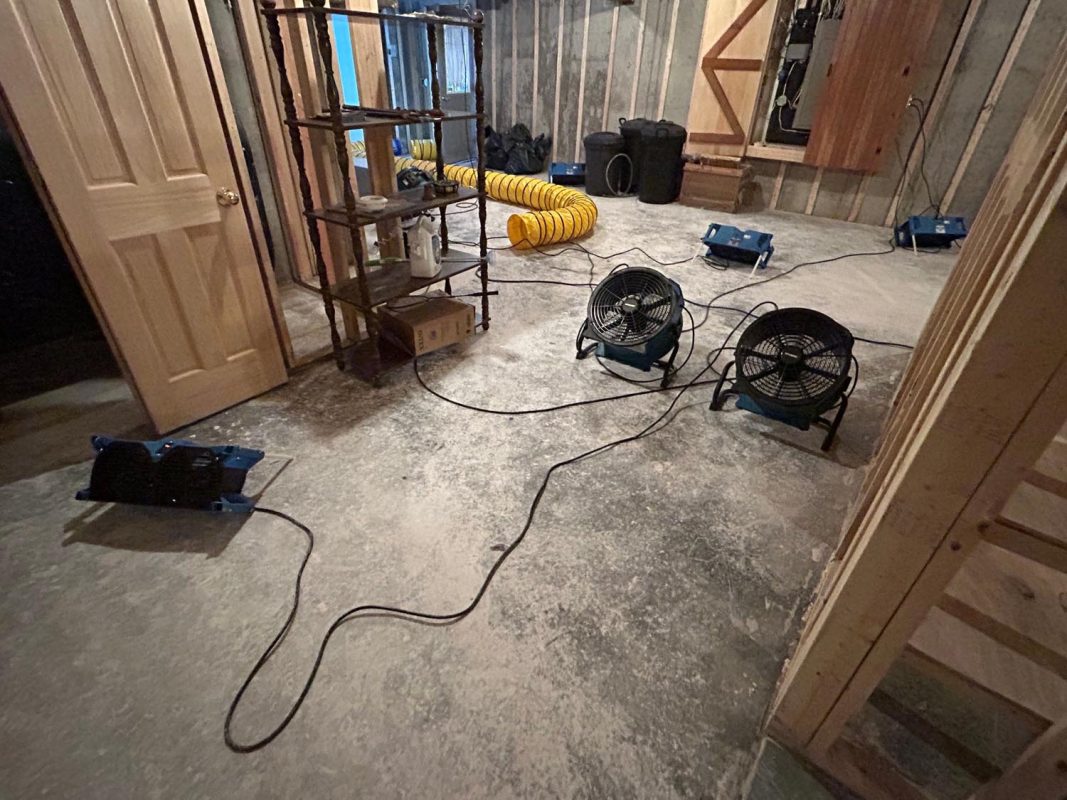
- Structural Drying: Commercial dehumidifiers and air movers dry the structure, and we record moisture readings daily until dry standards are met.
- Deodorizing & Final Check: We remove lingering odors and confirm the area is clean, dry and ready for repairs.
All work is performed by technicians wearing personal protective equipment in line with OSHA requirements.
What to Do Before We Arrive
- Stay out of the affected area. Keep children, pets and anyone with a weakened immune system away.
- Stop using sinks, toilets, showers, washing machines and dishwashers that drain into the sewer line.
- Turn off power to the area only if you can reach the panel without stepping in water.
- Do not run household fans or your HVAC system to dry the area. They can spread contaminants through the building.
- Take photos for your insurance claim, but do not throw anything away yet.
Then call us at (315) 507-2140. Our phones are answered 24/7.
Dealing with water from a burst pipe or flooding instead? See our flood, burst & frozen pipe water damage services.
Frequently Asked Questions
Does homeowners insurance cover a sewage backup?
Often not by default. Most standard homeowners policies exclude damage from water or sewage that backs up through drains unless you have added a “water backup” or “sewer backup” endorsement. It is worth checking your policy for this coverage before a loss happens. If you do have it, we document the damage with photos, moisture readings and detailed estimates to support your claim.
Who is responsible for a sewer backup, me or the city?
It depends on where the blockage is. In most communities the property owner is responsible for the sewer lateral (the pipe that runs from the building to the street), while the municipality maintains the main line. If the backup came from the city main, contact your municipality right away, because many have claim deadlines. A plumber with a sewer camera can usually pinpoint where the blockage is.
Can carpet, drywall or furniture be saved after sewage exposure?
Hard, non-porous items like tile, metal, glass and sealed wood can usually be cleaned and disinfected. Porous materials that absorbed sewage, such as carpet and pad, upholstered furniture, mattresses, insulation and wet drywall, generally cannot be reliably decontaminated and are removed under IICRC S500 guidelines. Items with sentimental value can sometimes be professionally cleaned, and we will review them with you.
How can I keep sewage from backing up again?
Ask a licensed plumber about a backwater (backflow) valve, which stops sewage from flowing back into your home when city lines are overloaded. Have your sewer lateral camera-inspected and cleared of tree roots, avoid flushing wipes (even “flushable” ones), grease and paper towels, and keep sump and ejector pumps maintained with a battery backup.
Is it safe to stay in my home during sewage cleanup?
Often, yes, when the contamination is limited to a basement or one area that can be sealed off with containment and HEPA filtration. Young children, older adults, pregnant women and anyone with a weakened immune system should stay away from the affected area until cleaning and disinfection are complete. If sewage reached living spaces or the HVAC system, staying elsewhere temporarily may be the safer choice.


Get Help NOW for Sewage Cleanup!
Call day or night: (315) 507-2140
"*" indicates required fields