

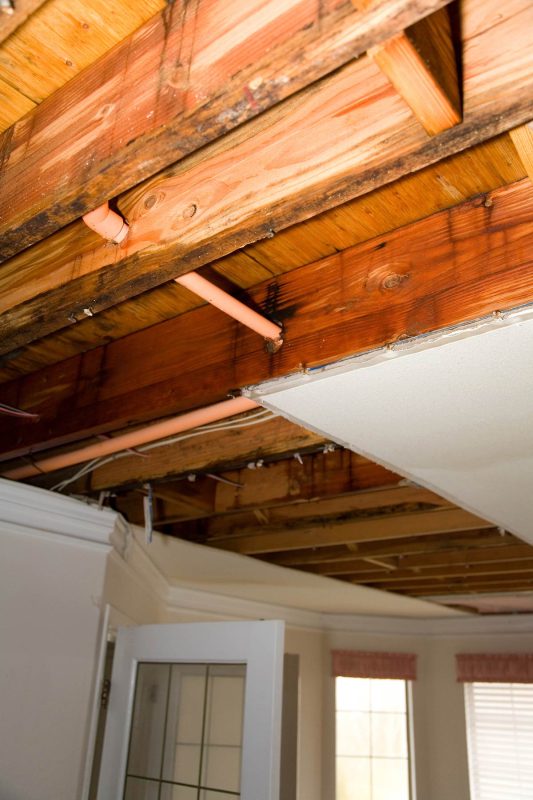
24/7 Emergency Water Mitigation
Flood & Burst Pipe Water Damage Restoration
A single burst pipe can release hundreds of gallons of water, and floodwater can fill a basement in minutes. The faster that water is removed and the structure is dried, the less has to be torn out and rebuilt.
BlueLine Disaster Solutions responds day or night to stop the damage, extract the water, dry your property and prevent secondary problems like mold, warped floors and odors.
Our IICRC-certified technicians follow the ANSI/IICRC S500 Standard for Professional Water Damage Restoration. We measure moisture, document every step for your insurance company, and don’t stop until materials reach verified dry standards.
Why Choose BlueLine Disaster Solutions?

Rapid Response
Calls are answered 24/7 by our local team, and we dispatch quickly to stop the damage.

Certified & Thorough
Our IICRC-certified technicians use professional moisture meters, thermal imaging and commercial drying equipment.

Transparent
You will always know what work is being done, and we document everything for your insurance claim.

Water Emergencies We Handle
We respond 24/7 to:
- Frozen & Burst Pipes
- Basement & Surface Flooding
- Ice Dams & Roof Leaks
- Water Heater & Supply Line Failures
- Sump Pump Failures
- Leaking Appliances & Fixtures

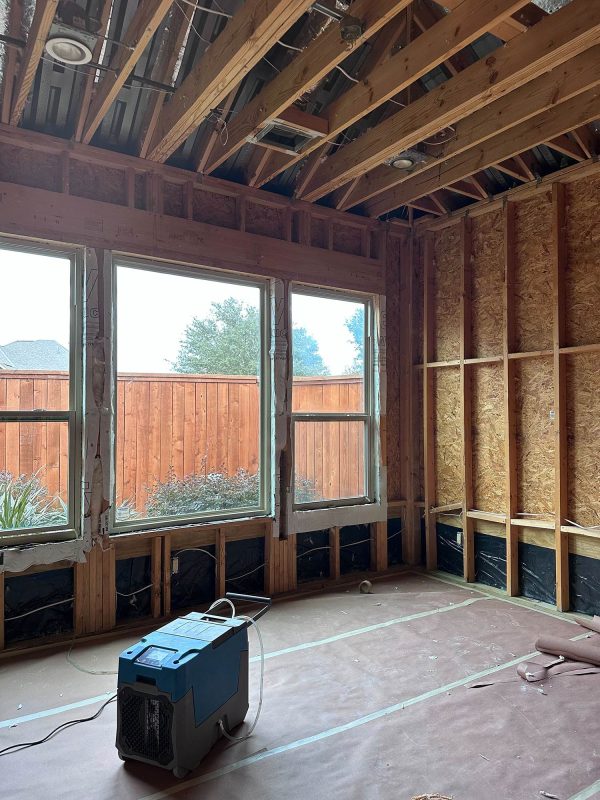
Why Pipes Burst in Central New York Winters
Water expands by about 9% when it freezes. Inside a pipe, ice forms a blockage, and pressure builds between the ice and a closed faucet until the pipe splits. Pipes are most at risk in:
- Exterior walls and unheated garages
- Attics, crawl spaces and basements
- Vacant homes, rentals and seasonal camps
- Sink cabinets on outside walls
Not All Water Is the Same
The IICRC S500 standard classifies water by how contaminated it is. A burst supply line usually starts as Category 1 (clean) water, but it can become Category 2 or 3 as it sits and picks up contaminants from building materials, often within 48–72 hours. Floodwater from rivers, streams or surface runoff is always treated as Category 3.
The category, along with how much of the structure got wet, determines what can be dried in place and what must be removed.
Our Water Damage Restoration Process
- Emergency Response & Inspection: We help stop the source, check for safety hazards and identify the water category and extent of damage.
- Moisture Mapping: Moisture meters and thermal imaging find water hidden inside walls, ceilings and subfloors.
- Water Extraction: Powerful extraction equipment removes standing water from floors, carpet and basements.
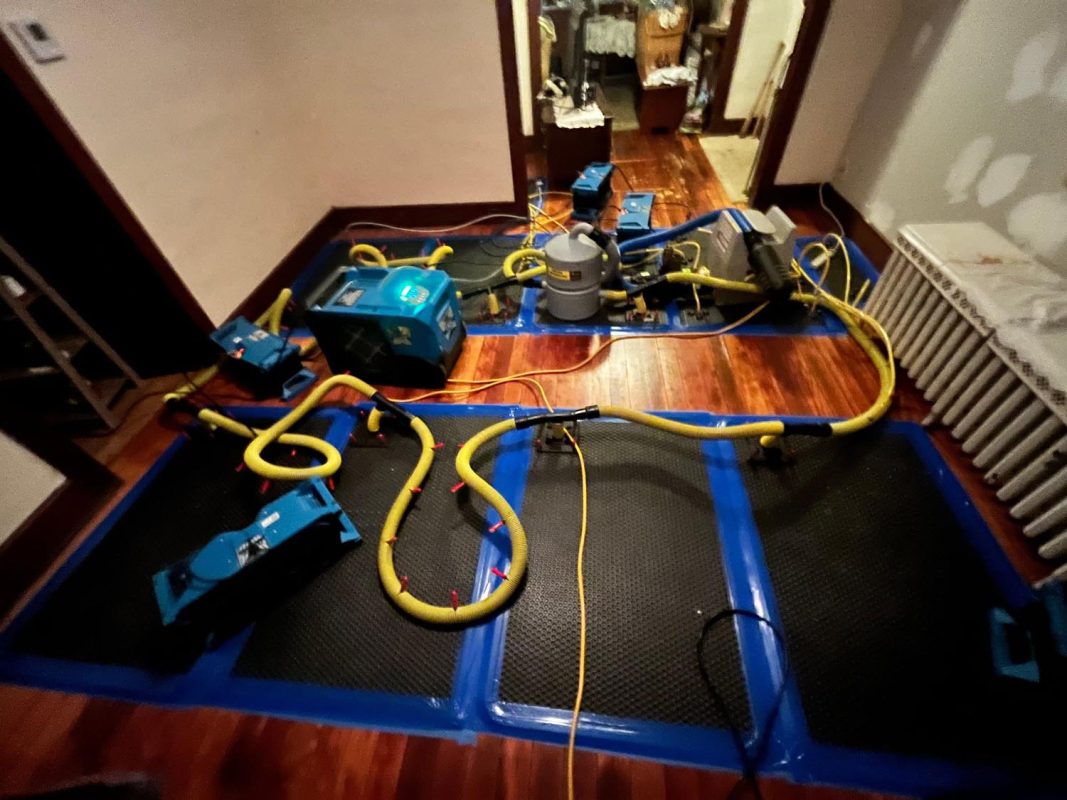
- Structural Drying: Dehumidifiers, air movers and specialty hardwood drying mats are placed and sized for your space.
- Daily Monitoring: We record readings every day and adjust equipment until materials reach dry standards.
- Cleaning & Documentation: We clean, apply antimicrobial treatment where needed, and provide complete documentation for your insurance claim.
How to Prevent Frozen Pipes
- Keep your heat at 55°F or higher, even when you are away.
- Open cabinet doors under sinks on exterior walls.
- Let faucets drip during extreme cold.
- Insulate pipes in crawl spaces, attics and garages.
- Disconnect garden hoses and shut off outdoor spigots before winter.
- Know where your main water shut-off valve is, and make sure it works.
If a pipe bursts: shut off the main water valve, turn off power to wet areas if you can do it safely, and call us at (315) 507-2140, day or night.
Dealing with a backed-up toilet or floor drain? See our sewage backup cleanup services.
Frequently Asked Questions
What should I do if my pipes are frozen but have not burst?
Open the faucet so melting water can flow out, then apply gentle heat to the frozen section with a hair dryer, heating pad or space heater kept away from anything flammable. Never use a torch or open flame. Keep applying heat until full water pressure returns. If you cannot find or reach the frozen section, or you think the pipe may be cracked, shut off the main water valve and call a plumber.
Does insurance cover burst pipes and flooding?
Damage from a sudden, accidental burst pipe is usually covered by standard homeowners insurance, but slow leaks and maintenance issues usually are not. Some policies also exclude freeze damage if a home was left vacant without heat or with the water left on. Flooding from rising surface water is not covered by standard homeowners policies and requires separate flood insurance, and NFIP flood policies typically have a 30-day waiting period before coverage starts.
How long does it take to dry out a home after water damage?
Most structural drying takes about 3 to 5 days, depending on the materials, how much water was involved and how quickly drying started. Hardwood floors, plaster and concrete often take longer. We track progress with daily moisture readings instead of a fixed schedule, and the equipment comes out only when the readings confirm everything is dry.
Can I dry it out myself with fans and a shop vac?
For a small spill of clean water caught right away, possibly. But water wicks into wall cavities, under flooring and into subfloors where fans cannot reach, and surfaces can feel dry while moisture is still trapped inside. That hidden moisture can lead to mold within 24–48 hours, buckled floors and lingering odors. Insurance companies also expect prompt, professional mitigation, and delays can complicate a claim.
Do drywall and insulation need to be replaced after a flood?
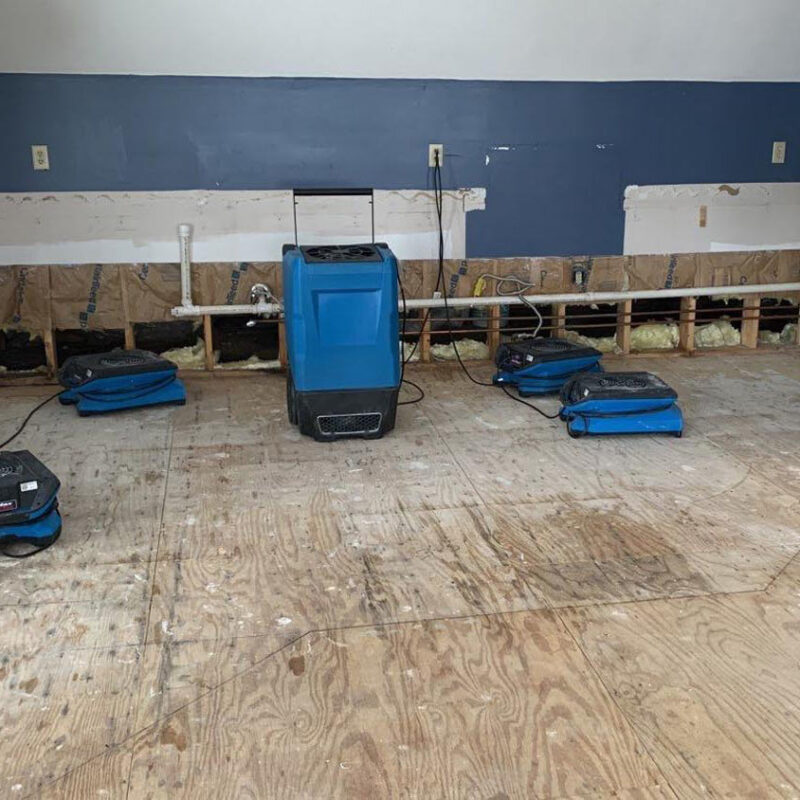
Not always. Drywall soaked by clean water from a pipe and dried quickly can often be saved. Drywall that touched floodwater (Category 3), and wet fiberglass or cellulose insulation, usually needs to be removed. In those cases we make a “flood cut,” removing the drywall a little above the water line so the wall cavity can be dried, cleaned and rebuilt properly.


Get Help NOW for Water Damage!
Call day or night: (315) 507-2140
"*" indicates required fields