
Asbestos Specialists in New Hartford
Asbestos & Lead Inspection, Removal & Abatement
Asbestos and lead are common in many older homes and commercial buildings throughout Central New York. When these materials are disturbed during renovations, repairs, demolition, or water and fire restoration work, they need to be handled properly.
BlueLine Disaster Solutions is a licensed New York State Asbestos Abatement Contractor experienced in working with both friable and non-friable asbestos-containing materials. We are also a certified EPA Lead Abatement Firm, providing professional lead encapsulation and abatement services.
Depending on the project, asbestos and lead work may require third-party sampling, air monitoring, or clearance testing. Our team helps property owners understand what needs to happen, coordinates the proper steps, and completes the removal or abatement work safely and in accordance with applicable requirements.
Why Choose BlueLine Disaster Solutions?

Rapid Response
We are available immediately, and can arrive at your location rapidly to take care of your cleanup.

Efficient & Thorough
Our technicians are fully trained and ready to work. We make the process as seamless as possible.

Transparent
You will always know what work is being done, and we strive to be on time, every time.


What Our Clients Say…
Lead & Asbestos Removal
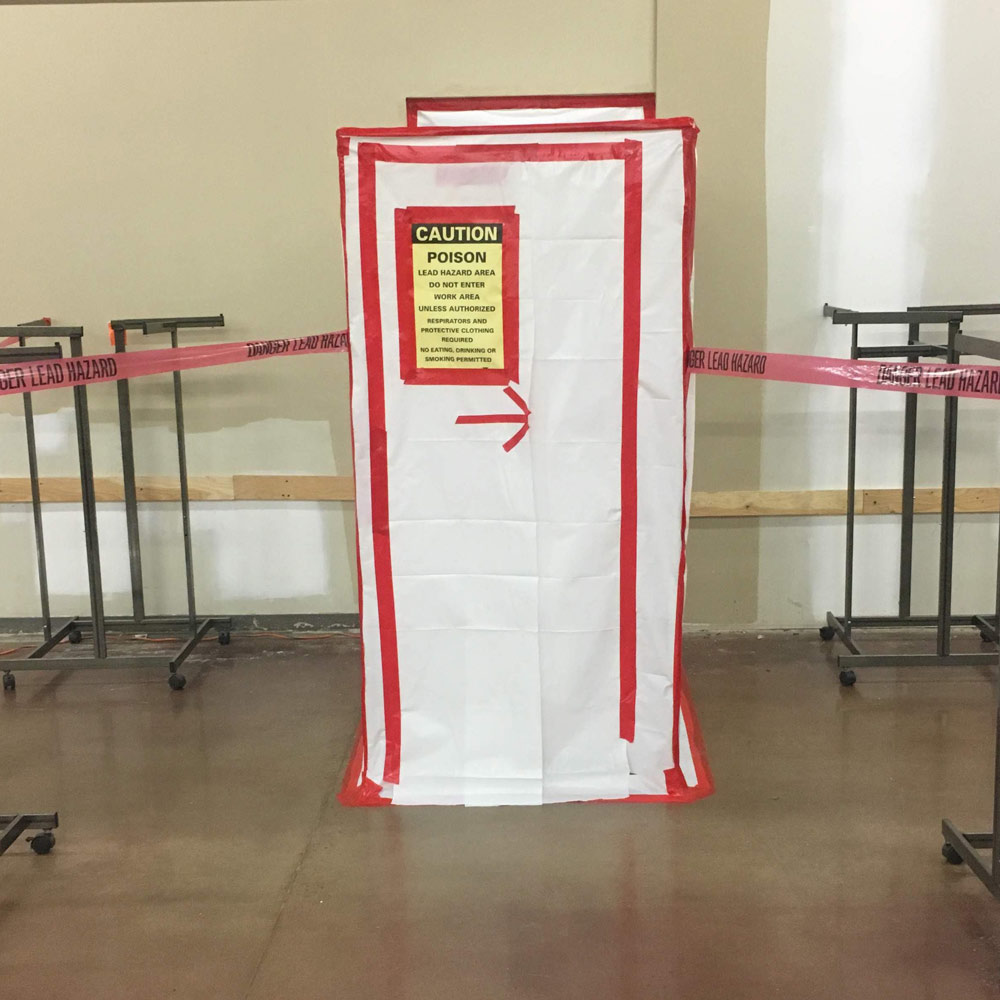
Common Sources of lead include:
- Windows & Window Sills
- Floor Tiles & Floor Mastics
- Drywall & Joint Compound
- Plaster
- Stair Railings
- Door Frames
- Ceiling Tiles
- Paint Chips
- High Traffic/Impact Area
- Deteriorated Exterior Paint
- Soil (contaminated from deteriorated paint)
- Porches & Porch Railings
- Roofing Materials
- Flashing & Other Building Products

The Dangers of Lead
BlueLine Disaster Solutions is a certified EPA Lead Abatement Firm. We provide lead encapsulation & lead abatement services.
Lead-based paint is still found in many older homes, apartment buildings, and commercial properties. When the paint begins to chip, peel, deteriorate, or is disturbed during construction, it can create contaminated dust and debris.
BlueLine Disaster Solutions provides professional lead encapsulation and lead abatement services designed to safely address these hazards. Depending on the condition of the property, this may involve enclosure, encapsulation, removal, or a combination of methods.
Lead exposure can be especially dangerous for children and may affect the brain, nervous system, kidneys, and other organs. Because lead dust can be difficult to see, proper containment, cleanup, and disposal are an important part of any lead abatement project.
Asbestos Information & Health Effects
Asbestos was widely used in construction because it is durable, heat-resistant, and fire-resistant. Because of this, it can still be found in many older building materials.
Asbestos-containing materials do not always present an immediate problem when they are intact and left undisturbed. The concern arises when those materials are damaged, deteriorating, cut, drilled, sanded, demolished, or otherwise disturbed.
When asbestos fibers become airborne, they can be inhaled and may contribute to serious long-term health problems, including asbestosis, mesothelioma, and lung cancer.
Friable
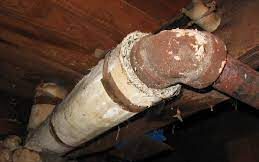 Friable Asbestos is more susceptible to damage and can be easily broken, releasing fibers into the air when damaged. Some examples of Friable asbestos can be insulation, spray coatings, plaster, drywall, or joint compound.
Non-Friable
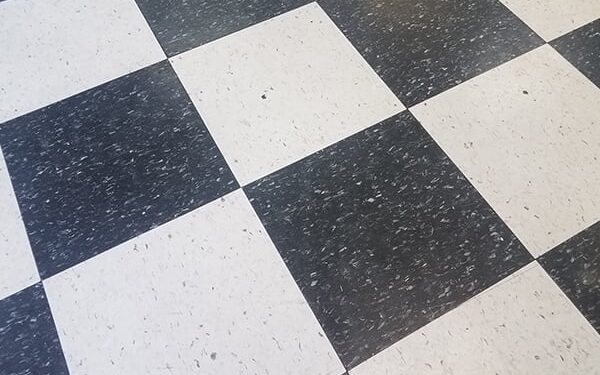 Non-Friable Asbestos is more resistant to damage, and when damaged, it is less likely to release fibers into the air. Some examples of these types of materials can be floor tiles, textured decorated coatings, and cement boards.

Get Help NOW for Asbestos or Lead!
Call day or night: (315) 507-2140
"*" indicates required fields
Frequently Asked Questions
Do I need asbestos testing before renovating or remodeling an older property?
If the work could disturb materials that may contain asbestos, having those materials evaluated before demolition or renovation begins can prevent expensive delays and unnecessary exposure. You cannot reliably identify asbestos just by looking at a material. Suspect flooring, insulation, plaster, siding, ceiling materials, mastics, and other building products may need to be professionally sampled before work starts.
Does asbestos always have to be removed when it is found?
Not necessarily. Asbestos-containing material that is intact, in good condition, and unlikely to be disturbed may sometimes be managed in place. Removal becomes a greater concern when the material is damaged, deteriorating, or will be affected by renovation, demolition, plumbing, electrical, or restoration work. The right approach depends on the material, its condition, and what is planned for the property.
What happens if asbestos is discovered after a renovation or restoration project has already started?
Work in the affected area should stop until the material can be properly evaluated. Continuing to cut, tear out, sand, drill, or demolish suspect material can spread fibers into areas that were not originally affected. Once testing confirms what the material contains, the project can be planned properly and any required abatement can be completed before the renovation or restoration continues.
Will I have to leave my home or business during asbestos or lead abatement?
That depends on the size and location of the project. Some work areas can be isolated from the rest of the property, while larger projects or work near occupied spaces may require occupants to stay elsewhere temporarily. Before work begins, the contractor should explain the containment plan, which areas will be restricted, and when those areas can safely be used again.
What is the difference between lead abatement and lead-safe renovation?
Lead abatement is work performed specifically to eliminate or control a known lead-based paint hazard. Lead-safe renovation refers to construction, painting, remodeling, or repair work where lead paint may be disturbed as part of another project. The certification and work requirements can differ, so it is important to hire a contractor qualified for the type of work being performed.
How do I know the area is ready to use again after asbestos or lead removal?
Completion involves more than simply taking the material out. The work area must be thoroughly cleaned, waste removed properly, and the containment area handled according to the requirements of the project. Depending on the type and scope of work, independent air monitoring, visual inspections, dust testing, or other clearance procedures may also be required before the area is returned to normal use.